
International Study of the Epidemiology of Platelet Transfusions in Critically Ill Children With an Underlying Oncologic Diagnosis.
Authors of this article are:
Nellis ME, Goel R, Karam O, Cushing MM, Davis PJ, Steiner ME, Tucci M, Stanworth SJ, Spinella PC; Pediatric Acute Lung Injury and Sepsis Investigators (PALISI) Network, Pediatric Critical Care Blood Research Network (BloodNet), and the Point Prevalence Study of Platelet Transfusions in Critically Ill Children (PT) Investigators.
A summary of the article is shown below:
OBJECTIVES: To describe the epidemiology of platelet transfusions in critically ill children with an underlying oncologic diagnosis and to examine effects of prophylactic versus therapeutic transfusions.DESIGN: Subgroup analysis of a prospective, observational study.SETTING: Eighty-two PICUs in 16 countries.PATIENTS: All children (3 d to 16 yr old) who received a platelet transfusion during one of the six predefined screening weeks and had received chemotherapy in the previous 6 months or had undergone hematopoietic stem cell transplantation in the last year.INTERVENTIONS: None.MEASUREMENTS AND MAIN RESULTS: Of the 548 patients enrolled in the parent study, 237 (43%) had an underlying oncologic diagnosis. In this population, 71% (168/237) of transfusions were given prophylactically, and 59% (139/237) of transfusions were given at a total platelet count greater than 20 × 10/L, higher than the current recommendations. Those with an underlying oncologic diagnosis were significantly older, and received less support including less mechanical ventilation, fewer medications that affect platelet function, and less use of extracorporeal life support than those without an underlying oncologic diagnosis. In this subpopulation, there were no statistically significant differences in median (interquartile range) platelet transfusion thresholds when comparing bleeding or nonbleeding patients (50 × 10/L [10-50 × 10/L] and 30 × 10/L [10-50 × 10/L], respectively [p = 0.166]). The median (interquartile range) interval transfusion increment in children with an underlying oncologic diagnosis was 17 × 10/L (6-52 × 10/L). The presence of an underlying oncologic diagnosis was associated with a poor platelet increment response to platelet transfusion in this cohort (adjusted odds ratio, 0.46; 95% CI, 0.22-0.95; p = 0.035).CONCLUSIONS: Children with an underlying oncologic diagnosis receive nearly half of platelet transfusions prescribed by pediatric intensivists. Over half of these transfusions are prescribed at total platelet count greater than current recommendations. Studies must be done to clarify appropriate indications for platelet transfusions in this vulnerable population.
Check out the article’s website on Pubmed for more information:
[link-preview url=https://www.ncbi.nlm.nih.gov/pubmed/31107379 forceshot=true]
This article is a good source of information and a good way to become familiar with topics such as: n/a.
New Chemicals from MOLECULAR DEPOT
-
- Sale!
- Chemicals, Interference, Lipids
Triglyceride Mix for Interference Testing
- Original price was: $895.00.$395.00Current price is: $395.00.
-
- Sale!
- Chemicals
Microparticle Stabilizer Solution
- Price range: $295.00 through $495.00
-
- Sale!
- Buffers & Solutions, Chemicals
Enzyme Acceptor Stabilization Buffer
- Original price was: $495.00.$250.00Current price is: $250.00.
-
- Sale!
- Buffers & Solutions, Chemicals
Enzyme Donor Stabilization Buffer
- Original price was: $495.00.$250.00Current price is: $250.00.
-
- Sale!
- Chemicals, Conjugates
Progesterone Biotin Conjugate Solution
- Original price was: $650.00.$350.00Current price is: $350.00.
-
- Sale!
- Buffers & Solutions, Chemicals
Microparticle Activation Buffer
- Price range: $295.00 through $495.00
-
- Sale!
- Buffers & Solutions, Chemicals
Microparticle Washing Buffer
- Price range: $295.00 through $495.00
-
- Sale!
- Buffers & Solutions, Chemicals
Microparticle Blocking Buffer
- Price range: $395.00 through $695.00
-
- Sale!
- Buffers & Solutions, Chemicals
Latex Microparticles Anti Aggregation Agent
- Price range: $295.00 through $3,500.00
-
- Sale!
- Chemicals
CPRG (Chlorophenol red-β-D-galactopyranoside)
- Original price was: $850.00.$395.00Current price is: $395.00.






New Proteins from MOLECULAR DEPOT
-
- Sale!
- Proteins, Conjugates
Tacrolimus BSA Conjugate Solution
- Original price was: $695.00.$495.00Current price is: $495.00.
-
- Sale!
- Proteins, Enzymes
Cholesterol Oxidase from Streptomyces sp.
- Original price was: $595.00.$295.00Current price is: $295.00.
-
- Sale!
- Proteins
Aprotinin from Bovine Lung (Lyophilized powder)
- Original price was: $450.00.$250.00Current price is: $250.00.
-
- Sale!
- Enzymes, Proteins
Beta-galactosidase Enzyme Donor
- Original price was: $795.00.$450.00Current price is: $450.00.
-
- Sale!
- Enzymes, Proteins
Beta-galactosidase Enzyme Acceptor
- Original price was: $795.00.$375.00Current price is: $375.00.
-
- Sale!
- Enzymes, Proteins
Xanthine Oxidase Grade II (Lyophilized Powder)
- Original price was: $695.00.$395.00Current price is: $395.00.
-
- Sale!
- Proteins, Enzymes
Ascorbate Oxidase
- Original price was: $495.00.$250.00Current price is: $250.00.
-
- Sale!
- Proteins
Silk Fibroin (Bombyx Mori Silkworm)
- Original price was: $595.00.$295.00Current price is: $295.00.
-
- Sale!
- Proteins
Fibrinogen from Bovine Plasma Lyophilized
- Original price was: $595.00.$295.00Current price is: $295.00.
-
- Sale!
- Proteins, Enzymes
Horseradish Peroxidase Biotinylated
- Original price was: $595.00.$295.00Current price is: $295.00.




New Antibodies from MOLECULAR DEPOT
-
- Sale!
- Antibodies, Biochemistry
Anti-CUG-BP1/2 (K95) CELF1 Antibody
- Original price was: $1,595.00.$795.00Current price is: $795.00.
-
- Sale!
- Antibodies
Antibody to Thyroxine T4 Monoclonal
- Original price was: $995.00.$495.00Current price is: $495.00.
-
- Antibodies
SAA Antibody Monoclonal Anti-Serum Amyloid A
- Price range: $350.00 through $1,550.00
-
- Antibodies
Antibody to HCG Human Chorionic Gonadotropin
- Price range: $350.00 through $650.00
-
- Antibodies
Valproic Acid Antibody (Mouse Monoclonal)
- Price range: $250.00 through $1,095.00
-
- Antibodies
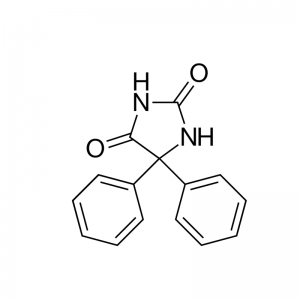
Phenytoin Antibody (Mouse Monoclonal)
- Price range: $350.00 through $1,450.00
-
- Sale!
- Antibodies
Anti Sheep IgG (H+L) Rabbit Polyclonal
- Price range: $250.00 through $1,495.00
-
- Sale!
- Antibodies
Anti Human IgM Antibody Polyclonal
- Original price was: $595.00.$295.00Current price is: $295.00.
-
- Sale!
- Antibodies
Myoglobin Antibody (Human Affinity Purified)
- Original price was: $650.00.$350.00Current price is: $350.00.
-
- Sale!
- Antibodies, Interference
Rheumatoid Factor Interference Blocker
- Original price was: $595.00.$395.00Current price is: $395.00.







New Research Kits from MOLECULAR DEPOT
-
- Sale!
- Interference, Research Kits
Interference Test Kit
- Original price was: $995.00.$495.00Current price is: $495.00.
-
- Sale!
- Research Kits
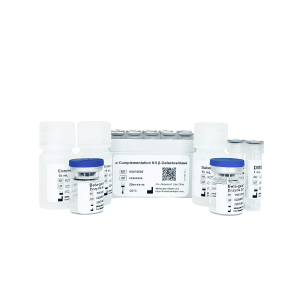
Alpha Complementation Kit Beta-galactosidase
- Original price was: $1,795.00.$895.00Current price is: $895.00.
-
- Sale!
- Research Kits
Crystallization Screen for Protein-DNA Complexes
- Original price was: $1,995.00.$995.00Current price is: $995.00.
-
- Sale!
- Molecular Biology, Research Kits
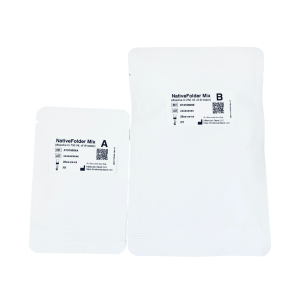
NativeFolder Bacterial Culture Medium
- Original price was: $795.00.$295.00Current price is: $295.00.
-
- Sale!
- Research Kits
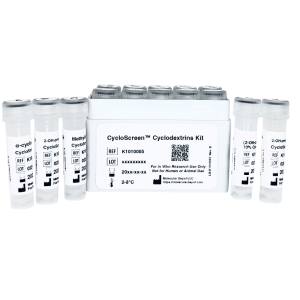
CycloScreen Cyclodextrins Kit
- Original price was: $695.00.$350.00Current price is: $350.00.
-
- Sale!
- Research Kits
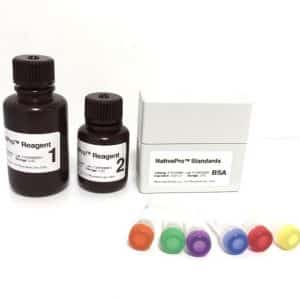
NativePro Bradford Protein Assay Kit (Automated)
- Original price was: $995.00.$495.00Current price is: $495.00.
-
- Sale!
- Interference, Research Kits
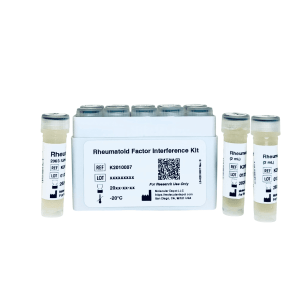
Rheumatoid Factor Interference Kit
- Original price was: $1,495.00.$695.00Current price is: $695.00.
-
- Sale!
- Interference, Research Kits
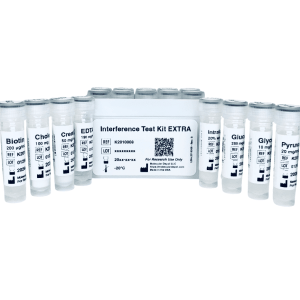
Interference Test Kit EXTRA
- Original price was: $1,295.00.$695.00Current price is: $695.00.
-
- Sale!
- Interference, Research Kits
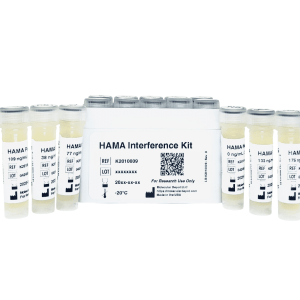
HAMA Interference Kit
- Original price was: $1,295.00.$695.00Current price is: $695.00.
-
- Sale!
- Buffers & Solutions, ELISA, Research Kits
ELISA Microplate Production Kit
- Original price was: $795.00.$495.00Current price is: $495.00.