
MOPS Buffer (1 M, pH 7.0)
Original price was: $1,395.00.$695.00Current price is: $695.00.
Catalog Number: B2018148 (100 mL)
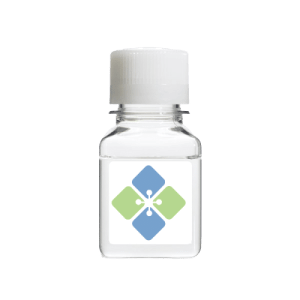
MOPS buffer is a commonly used buffering agent in biological and biochemical research. It stands for 3-(N-morpholino)propanesulfonic acid. The pH of the buffer is 7.0. MOPS buffer is often used in various applications, such as in electrophoresis and cell culture, to maintain a stable pH environment. This product has been used as a molecular tool for various biochemical applications. It has also been used in a wide array of other chemical and immunological applications. Custom bulk amounts of this product are available upon request.
Live enquiry about this product via Text/SMS: 1-858-900-3210.
In stock
Product Description
MOPS Buffer (1 M, pH 7.0)
Catalog number: B2018148
Lot number: Batch Dependent
Expiration Date: Batch dependent
Amount: 100 mL
Molecular Weight or Concentration: N/A
Supplied as: Solution
Applications: a molecular tool for various biochemical applications
Storage: RT
Keywords: MOPS
Grade: Biotechnology grade. All products are highly pure. All solutions are made with Type I ultrapure water (resistivity >18 MΩ-cm) and are filtered through 0.22 um.
References:
1: Tadolini B. Iron autoxidation in Mops and Hepes buffers Free Radic Res Commun. 1987;4(3):149-60.
2: Yamada K, Aoki K, Nagasawa T, Imai W, Sasaki M, Murakami H, Morita T, Ishii Y, Tateda K. Carbapenem inactivation method using bacterial lysate and MOPS (LCIM): a very sensitive method for detecting carbapenemase-producing Acinetobacter species J Antimicrob Chemother. 2020 Oct 1;75(10):2812-2816.
3: Liu Y, Zhang D, Ding J, Hayat K, Yang X, Zhan X, Zhang D, Lu Y, Zhou P. A Facile Aptasensor for Instantaneous Determination of Cadmium Ions Based on Fluorescence Amplification Effect of MOPS on FAM-Labeled Aptamer Biosensors (Basel). 2021 Apr 23;11(5):133.
4: Onishi Y, Furushiro Y, Hirayama Y, Adachi S, Kobayashi T. Production of tagatose and talose through isomerization of galactose in a buffer solution under subcritical water conditions Carbohydr Res. 2020 Jul;493:108031.
5: Poddar S, Levitus M. Buffer-Dependent Photophysics of 2-Aminopurine: Insights into Fluorescence Quenching and Excited-State Interactions J Phys Chem B. 2024 Mar 21;128(11):2640-2651.
6: Roy RN, Gibbons JJ, McGinnis T, Woodmansee R. Standard electromotive force of the H2-AgCl;Ag cell in 30, 40, and 50 mass% glycerol/water from -20 to 25 degrees C: pK2 and pH values for a standard “mops” buffer in 50 mass% glycerol/water Cryobiology. 1985 Dec;22(6):578-88.
7: Schmidt K, Pfeiffer S, Mayer B. Reaction of peroxynitrite with HEPES or MOPS results in the formation of nitric oxide donors Free Radic Biol Med. 1998 Mar 15;24(5):859-62.
8: Altura BM, Altura BT, Carella A, Turlapaty PD. Ca2+ coupling in vascular smooth muscle: Mg2+ and buffer effects on contractility and membrane Ca2+ movements Can J Physiol Pharmacol. 1982 Apr;60(4):459-82.
9: Kameoka D, Masuzaki E, Ueda T, Imoto T. Effect of buffer species on the unfolding and the aggregation of humanized IgG J Biochem. 2007 Sep;142(3):383-91.
10: Kandandapani S, Tan CY, Shuib AS, Tayyab S. Influence of Buffer Composition and Calcium Chloride on GdnHCl Denaturation of Bacillus licheniformis α-Amylase Protein Pept Lett. 2016;23(6):537-43.
Products Related to MOPS Buffer (1 M, pH 7.0) can be found at Chemicals
Additional Information
| Weight | 5.5 oz |
|---|---|
| Dimensions | 5 × 3 × 3 in |
Several ways to order Molecular Depot products:
1- Order online using our website’s automated shopping cart and checkout system (available 24/7).
2- Order by email: info@moleculardepot.com (we accept electronic PO, available 24/7).
3- Order by Live Chat.
4- Order by Fax: 1-858-437-9884 (available 24/7).

Related products
-
- Sale!
- Chemicals, Peptides
Benzoyl-L-tyrosine p-nitroanilide
- Original price was: $1,195.00.$595.00Current price is: $595.00.
-
- Sale!
- Buffers & Solutions, Chemicals
Enzyme Donor Stabilization Buffer
- Original price was: $495.00.$250.00Current price is: $250.00.
-
- Sale!
- Buffers & Solutions, Chemicals
Latex Microparticles Anti Aggregation Agent
- Price range: $295.00 through $3,500.00